Wondering How Barcodes Work for Blinkit? Here’s a Simple Guide for Indian Sellers
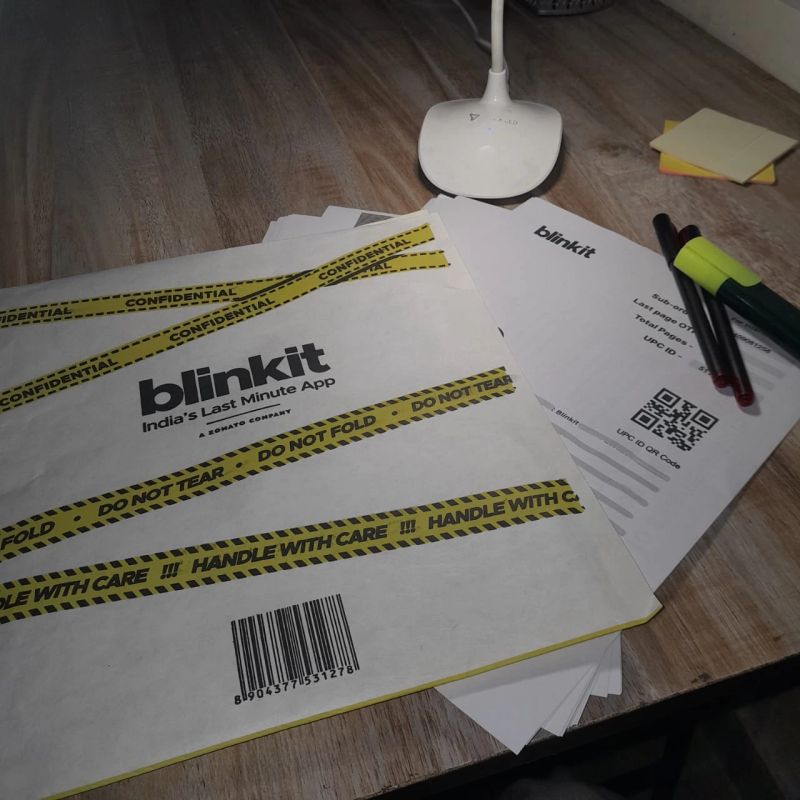
That moment when your product listing gets rejected
You have spent weeks perfecting your spice blend. Packaging is beautiful. Pricing is right. You upload everything to Blinkit Seller Central, hit submit, and bam – error message. Your product is stuck. This happens to nearly 40% of new sellers on quick-commerce platforms, according to a 2023 Jungle Scout report. The culprit is almost always the barcode. Blinkit’s system relies on those black-and-white stripes to scan, track, and deliver your product in ten minutes flat. If your UPC code for Blinkit (one mention as requested) is not registered correctly, your listing never goes live. Let me walk you through how barcodes actually work on Blinkit and where Indian sellers can get legitimate ones without the headache.
Why does Blinkit care so much about a tiny sticker?
Imagine what would happen if someone made an order for your mango sauce. The product name, price, batch number, and shelf position are quickly recognised by the system when a delivery worker gets it from a dark shelf and scans it with a handheld device. All of that magic comes from a single scan of a GS1-compliant barcode. Blinkit’s backend is fully automated – no manual typing. If your barcode is fake or duplicated, the system fails. The platform then delists your product to protect its own accuracy. Research shows that proper barcodes reduce inventory errors by roughly half. Sellers who skip this step face listing rejections and account suspensions.
What barcode formats actually work on Blinkit?
Blinkit, like most Indian quick-commerce platforms, accepts two main formats: the 12-digit UPC-A and the 13-digit EAN-13. Both do the same job – uniquely identify your product. EAN-13 is more common in India, used by over 90% of retail stores here. The source of the number is more important than the code itself. It must be a unique, check-digit-verified code that no other product in the world shares. This is where many sellers get into trouble. They buy cheap, recycled codes from random websites, and those numbers fail Blinkit’s verification because multiple sellers are using the same code.
How to get barcodes for products in India (the safe way)
Here is what actually works. You need a trusted provider that assigns fresh, never-used-before barcode numbers. That is exactly what QuickBarcode.com does. Since 2015, they have helped over 5,000 small businesses in India and abroad get their products onto retail shelves. They are a registered trademark (RTM No: 4519742) and the only private barcode provider in India recognized by the Startup India program of the Government of India (Certificate DIPP72384). When you ask how to get barcodes for products in India (one mention), the answer is to choose a provider that gives you double-check-digit-verified codes accepted in most retail stores, including Blinkit.
Step by step: taking your code from purchase to live listing
- First, order your barcode from QuickBarcode.com.
You pay a one-time service fee – no annoying annual payments. They provide you scannable, high-resolution pictures in four various forms (PDF, PNG, EPS, etc.) so your package artist can select the most effective one. To keep a clean record, you also have access to an online account where you may add, change, or remove product information at a later time.
- After that, test the barcode on your finished packing material by getting their free Android reading app that is tied to their database.
This eliminates design errors before you print thousands of labels. Then log into Blinkit Seller Central, enter the GTIN field with your new barcode number, and add the FNSKU label if you use Fulfillment by Blinkit. Compliant listings usually go live within 24 hours.
What happens if you use a fake or incorrect barcode?
The consequences are not minor. Fake barcodes get your listing delisted, causing two weeks of downtime and a loss of about 25% of your monthly revenue. Blinkit can suspend your seller account permanently – something that affects nearly 15% of first-time sellers who cut corners. Under the BIS Act, you could also face fines exceeding ₹10,000. Quick-commerce platforms have become very strict because every scanning error slows down their 10-minute delivery promise. Using a verified barcode from a recognized provider like QuickBarcode is the only way to stay compliant.
Real products already using these barcodes
QuickBarcode codes are already working on products across dozens of categories: spices, dry fruits, flour, pulses, tea, cosmetics, edible oils, soaps, detergents, peanut butter, toothpastes, perfumes, agarbatti, frozen snacks, honey, coffee, ice cream, namkeen, pickles, potato chips, chocolates, sanitary pads, kitchen knives, clothes, shoes, auto parts, stationery, toys, and even medicines. Pretty much anything you can sell on Blinkit, someone has already listed using their barcodes.
One small step, one giant leap for your business
Without a proper barcode, your Blinkit journey stops at the upload screen. With a verified, double-check-digit code from a trusted partner like QuickBarcode.com, your product gets scanned, sold, and delivered. The investment is tiny – a one-time fee. The return is access to millions of quick-commerce customers who want your product at their doorstep in minutes. Get your UPC code for Blinkit from a legitimate source. List your product. Start selling. It really is that simple.